
DIY Electrical Safety Tips for Homeowners


Understanding the Basics of Electrical Safety
When tackling any DIY electrical project, it's crucial to start with a solid understanding of basic safety principles. Electricity can be dangerous if not handled properly, so always proceed with caution. Before you begin, familiarize yourself with the electrical components involved in your project and make sure you understand their functions. This foundational knowledge will help prevent accidents and ensure a successful outcome.
One of the most important safety tips is to always turn off the power at the circuit breaker before working on any electrical system. This simple step can prevent electric shock and other hazards. Additionally, using tools with insulated handles can provide an extra layer of protection.

Essential Equipment for Safe DIY Electrical Work
Having the right tools and equipment is essential for safe DIY electrical work. Invest in a reliable voltage tester to confirm that the power is off before you start. A multimeter is another useful tool that allows you to measure voltage, current, and resistance in circuits.
It's also wise to wear safety gear, such as rubber-soled shoes and gloves, to reduce the risk of electric shock. Safety goggles can protect your eyes from any unexpected sparks or debris. These precautions, combined with the right tools, will help create a safer working environment.

Identifying and Understanding Circuit Breakers
Knowing how to identify and understand circuit breakers is crucial for any DIY electrical project. Circuit breakers are designed to protect your home's electrical system by shutting off power when a fault is detected. Familiarize yourself with your home's breaker box and label each circuit for easy identification.
If a breaker trips, it indicates a possible overload or short circuit. Before resetting it, investigate the cause to prevent future issues. Understanding the function of circuit breakers can help you manage your home's electrical system more effectively.
Avoiding Common Electrical Mistakes
Many DIY enthusiasts make common electrical mistakes that can be easily avoided. One frequent error is overloading outlets, which can lead to overheating and potential fires. To prevent this, avoid plugging too many devices into a single outlet and use power strips with surge protection when necessary.
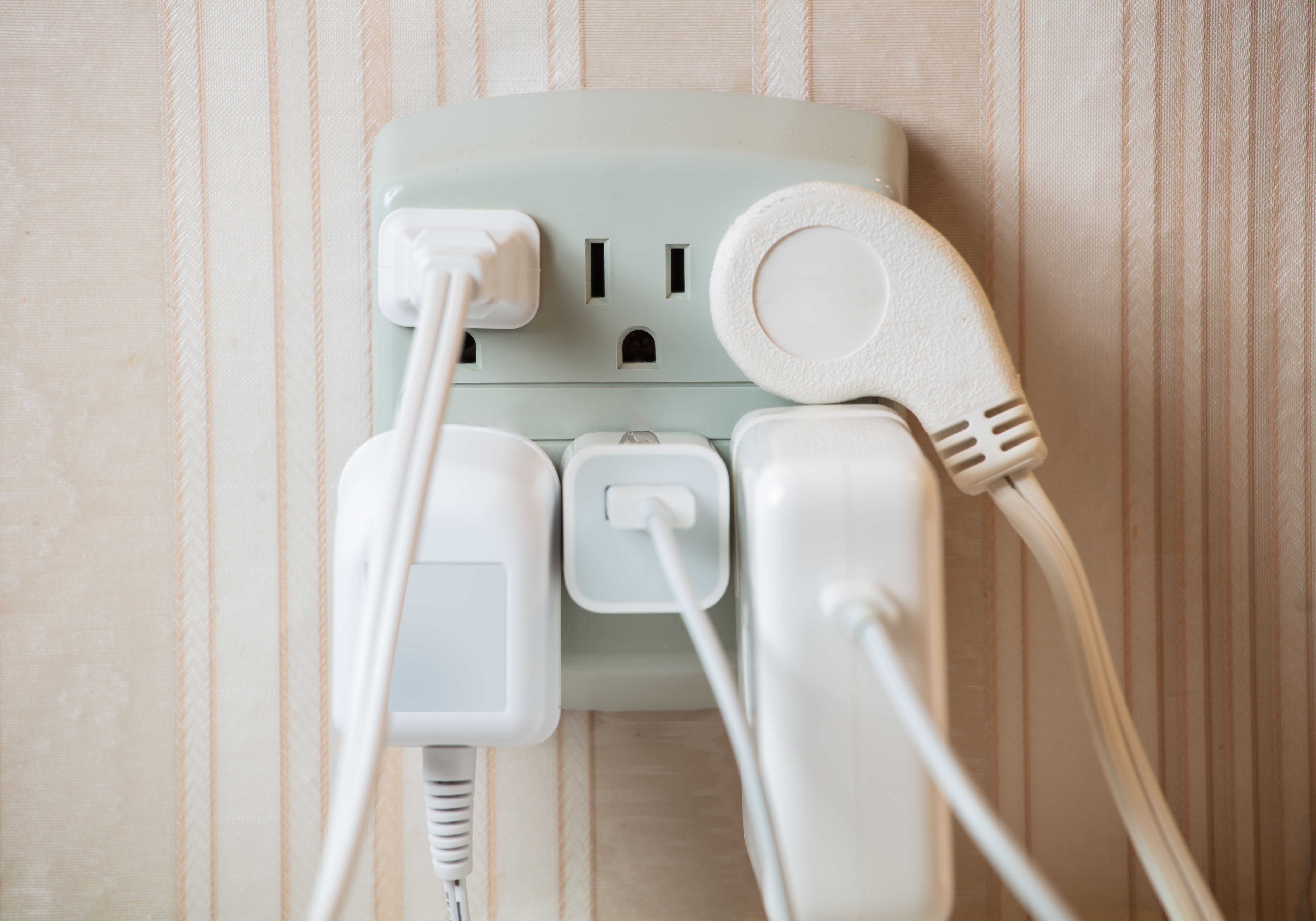
Another common mistake is using the wrong wire gauge for a project. Using a wire that's too small for the current can result in overheating and damage. Always consult an electrical wire gauge chart to ensure you're using the correct wire for your project.
When to Call a Professional
While DIY electrical projects can be rewarding, it's important to know your limits. If you encounter a complex issue beyond your skill level, don't hesitate to call a professional electrician. Issues such as frequent breaker trips, flickering lights, or burning smells should be addressed by a qualified expert.
Hiring a professional not only ensures safety but also guarantees that the job is done correctly. Remember, your safety and the safety of your home should always be the top priority.